

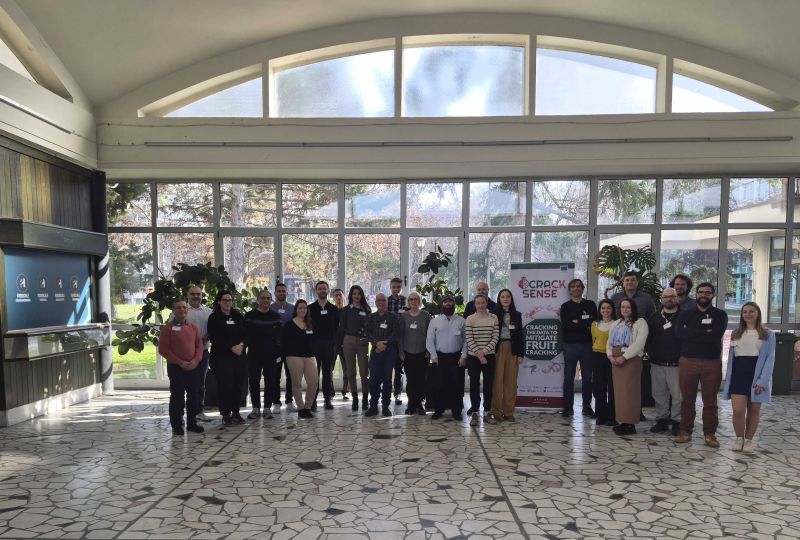
The third CrackSense Consortium Meeting brought together partners from across Europe to review progress, share insights, and plan the next steps in tackling fruit cracking. Over three days, discussions ranged from data-driven detection methods to practical strategies for growers, offering a comprehensive view of the project’s ongoing impact.
Day 1: Updates from the Field
On the first day, partners presented updates from the 22 pilot plots, focusing on fruit cracking detection and prediction. UAV-based monitoring, advanced data collection, and the integration of TOMMY datasets were central topics. By aligning on priorities for 2026 and refining model assessment approaches, the consortium is moving closer to practical solutions that can reduce losses and improve fruit quality.

Day 2: Turning Data into Decisions
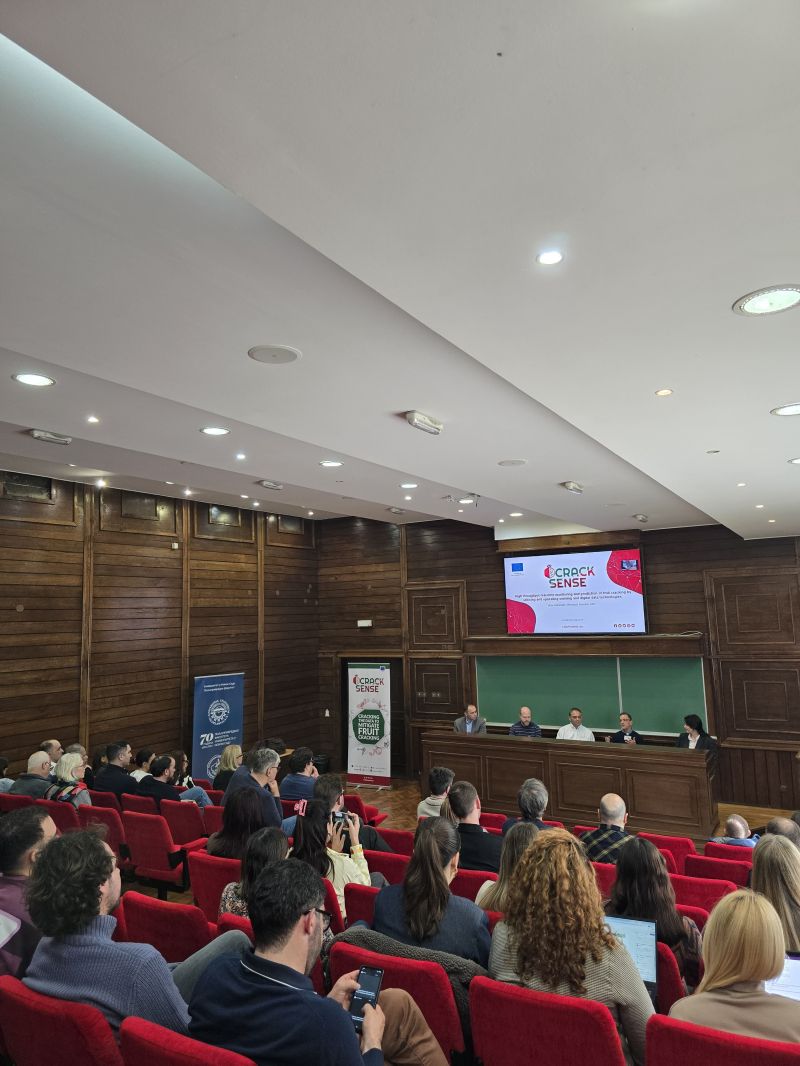
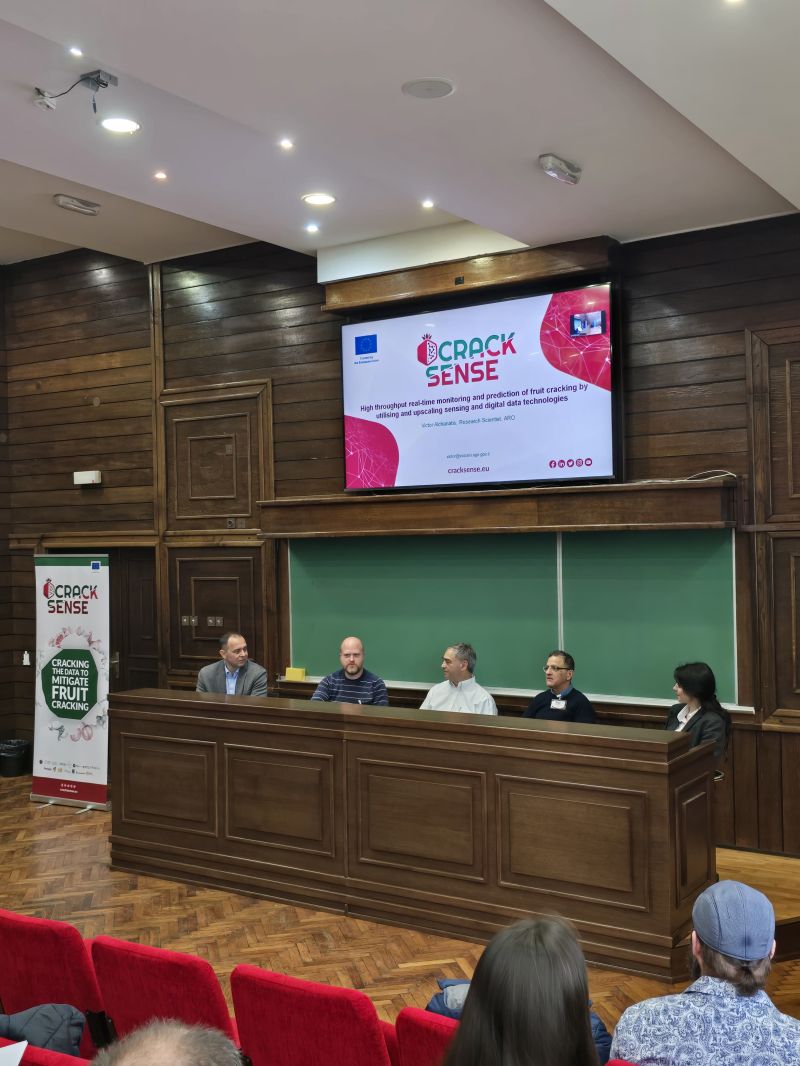
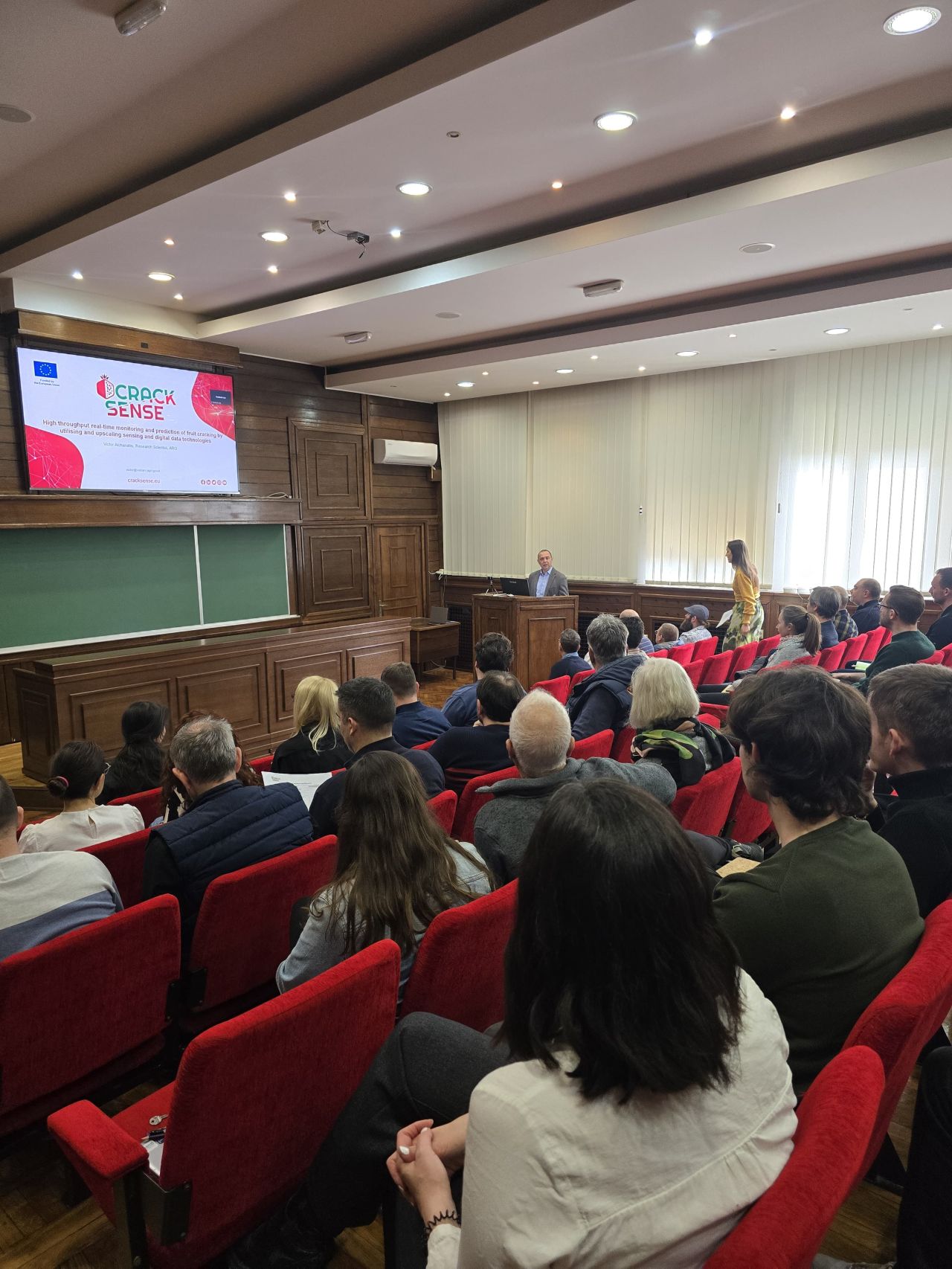
Day two explored the challenges of turning complex data into actionable decisions. Data management and the development of the Fruit Cracking Decision Support System took centre stage. A public panel discussion concluded the day, opening the conversation to a wider audience. Why do some varieties crack more than others, and how can monitoring and prediction help?
During the session, participants explored key horticultural and physiological questions, including whether the underlying causes of fruit cracking are consistent across different species, which varieties show greater resilience, and why cracking in Gala apples is particularly critical in Serbia.
Attention was also given to technologies for monitoring and forecasting cracking, alongside a range of protection measures, from larger-scale infrastructural interventions to approaches that are easier for producers to implement. The discussion further addressed strategic and policy considerations, such as whether interventions are best applied at the plot or regional level, and how regulations can support the reduction of fruit losses.

Day 3: Consortium Meeting Field Visit
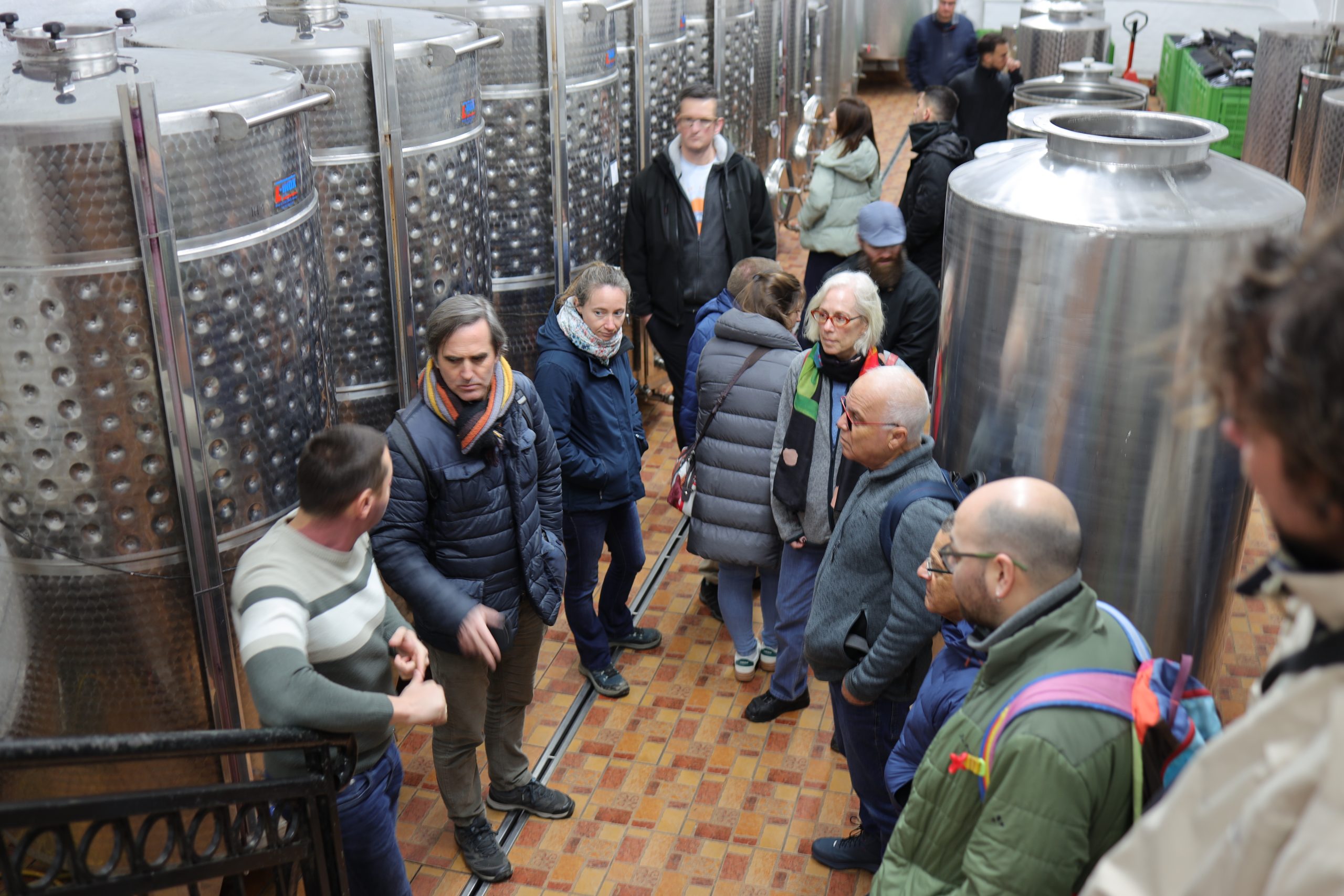
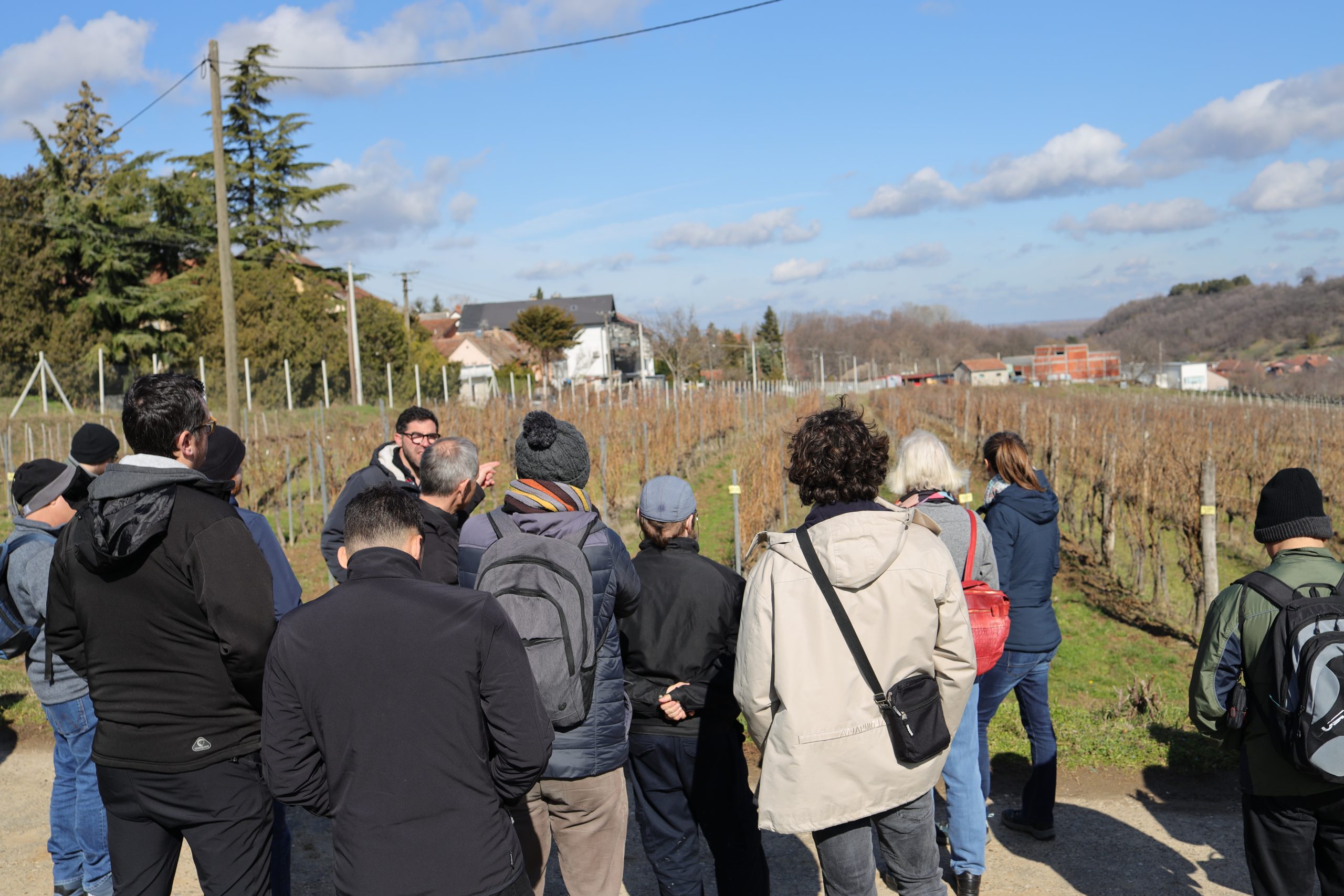
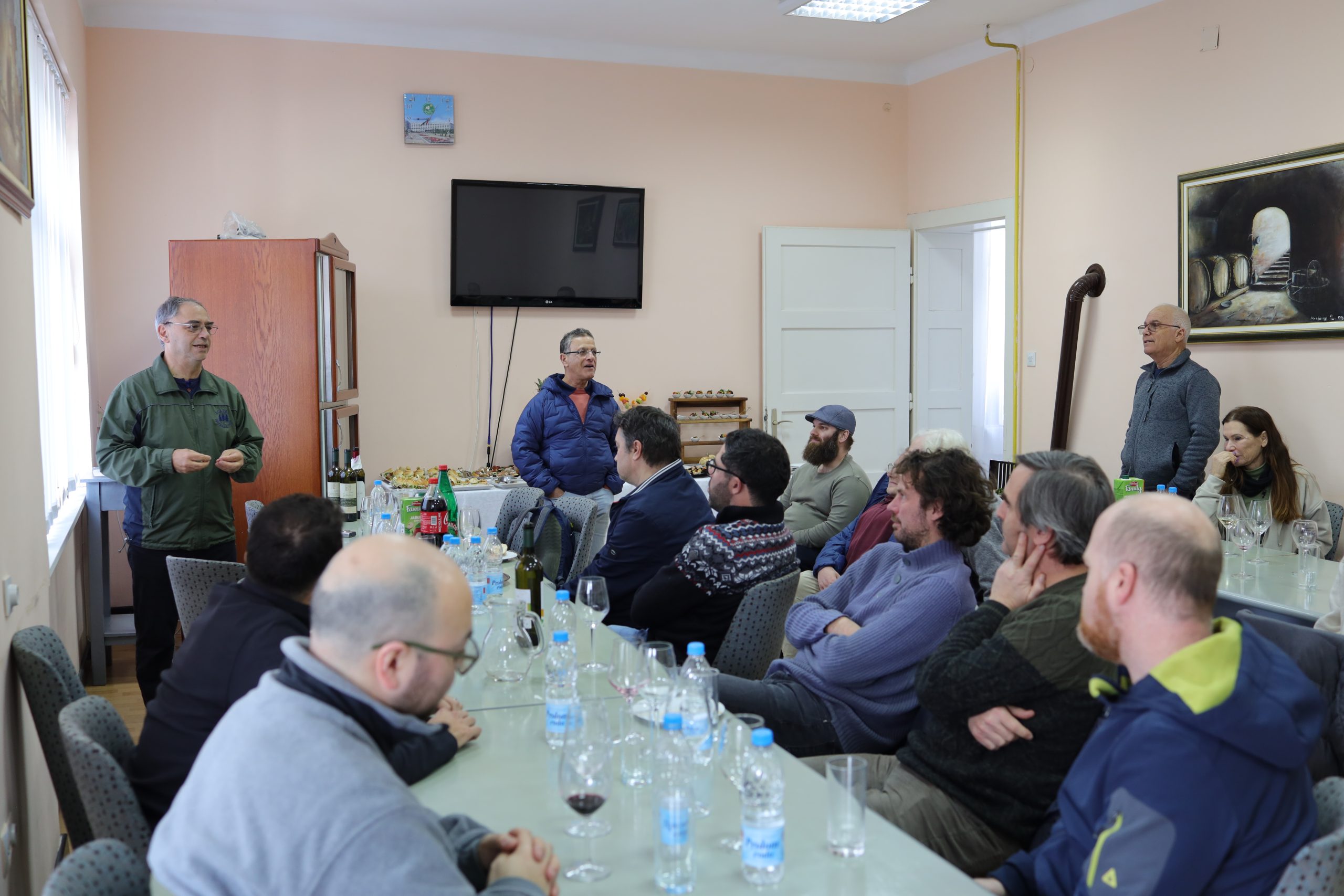
The final day included a visit to the Sremski Karlovci Living Lab, offering partners an opportunity to see how this specific experimental and production environment is organised and managed. The visit created space for professional exchange on practical approaches and local production strategies. The programme then continued with a visit to the wine cellar, followed by lunch and wine tasting, where discussions carried on.
Concluding the 2026 Consortium Meeting
With clear objectives for 2026, partners are poised to advance the project’s final year with confidence and focus. Open dialogue, such as the panel discussions, also helps connect the research community with growers and policymakers, ensuring that recommendations are grounded in practice.
Thank you to all partners for the constructive discussions, shared insights, and clear direction for the final phase of the project. Special thanks to the Faculty of Agriculture in Novi Sad for hosting the meeting at their premises and for organising the field visit.
We look forward to the next consortium gathering and encourage you to follow updates on our Newsroom and LinkedIn for insights and reports from the project’s activities.

Explore the highlights from the three-day CrackSense Consortium Meeting in the video below.